

Food supplements & natural cosmetics
Boost your vitality every day with exceptional plants
Nature at the service of your well-being. Since 2010, Laboratoire Phytomisan has been developing natural, safe, and effective solutions to support your daily health. Our natural, safe and effective formulas are designed to support your daily well-being, while respecting the body and nature. (GMP certified, gluten-free, not tested on animals).
Dr. Shahid Nasim, physician and founder of the laboratory, has dedicated his research to herbal medicine for many years. Thanks to his work, our products offer a new approach to natural health: 100% plant-based solutions, of exceptional quality, and without side effects..
The founder's vision: "I created Phytomisan with the conviction that nature can truly support our health. Each product is designed with care, rigor, and compassion to offer safe, effective, and accessible solutions for everyone." — Dr. Shahid Nasim
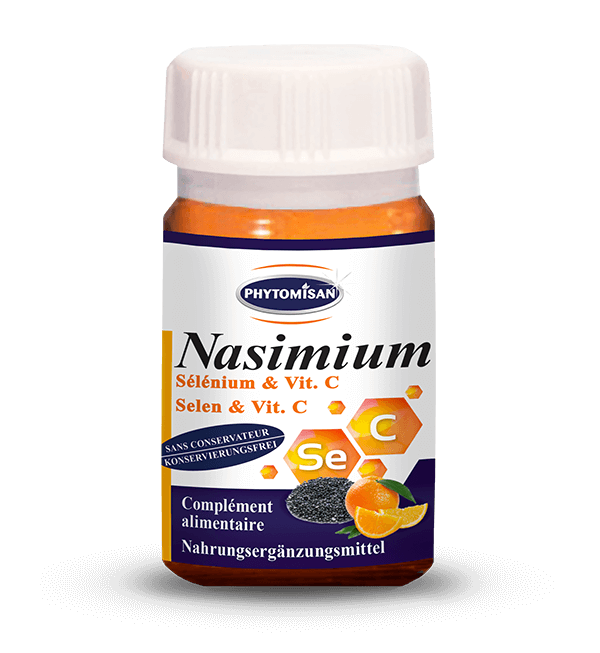
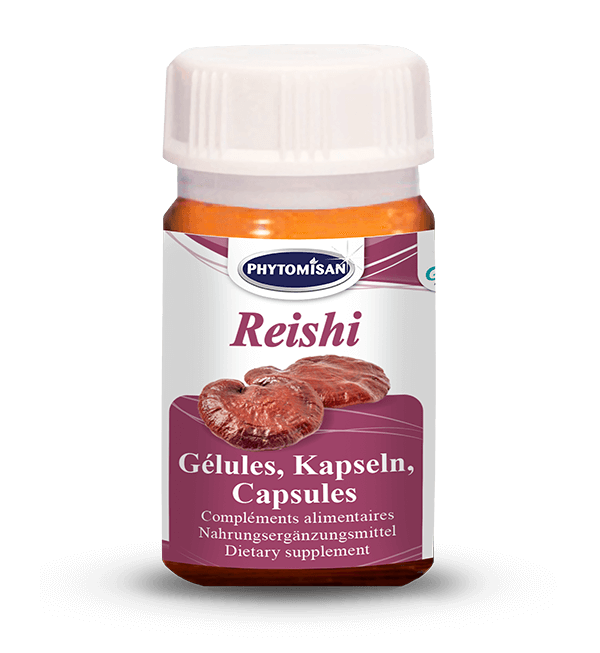
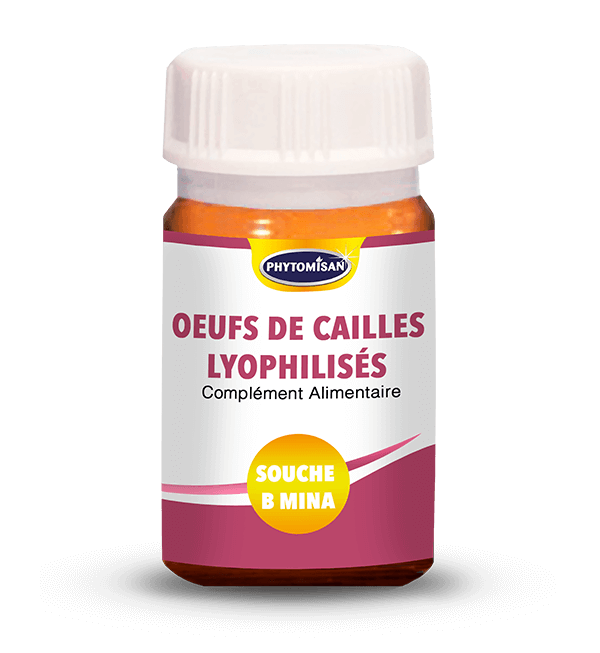
Food complements
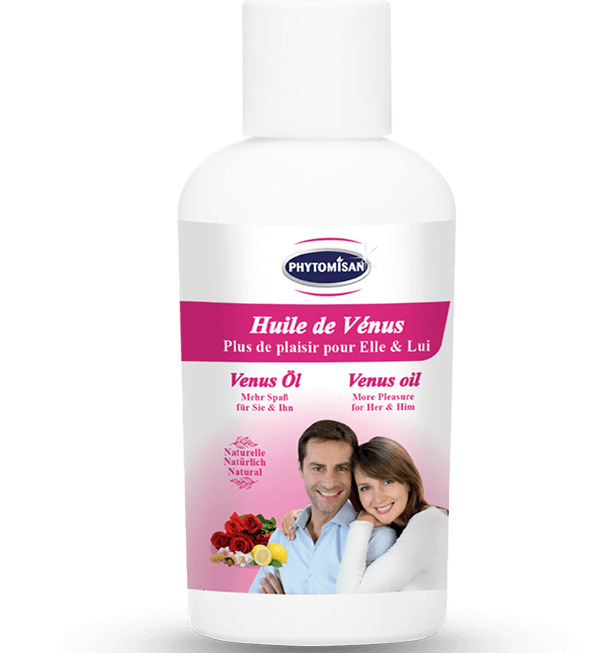
Natural Cosmetics
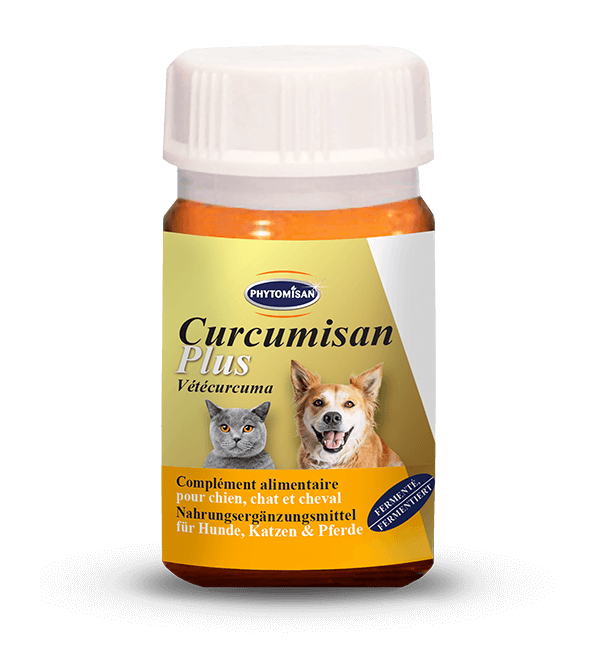
For your pet
Phytomisan, a laboratory specializing in natural photo-care
Implanted in Mulhouse, Alsace, with subsidiaries in Switzerland and Germany, Phytomisan is a phytotherapy laboratory recognized, specialized in food supplements and natural care. We combine the wisdom oftraditional herbalism to modern scientific advances.
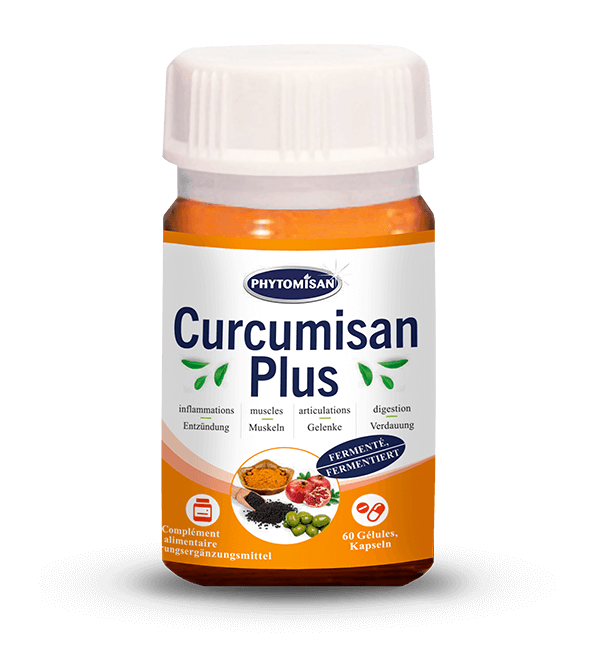
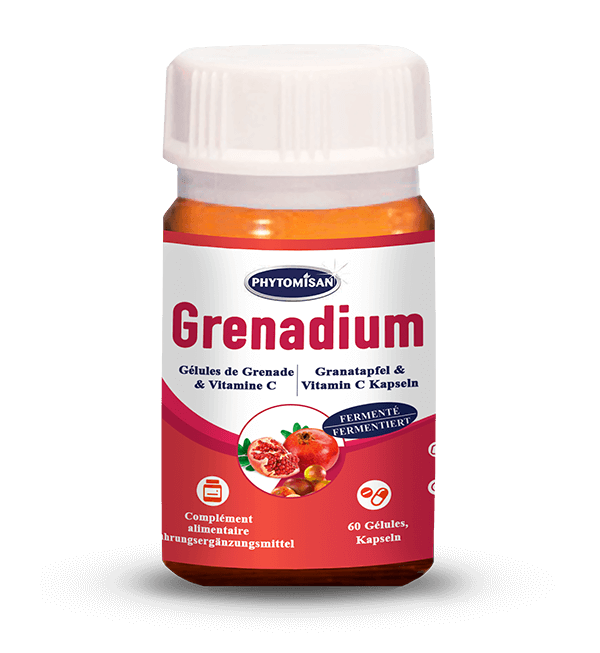
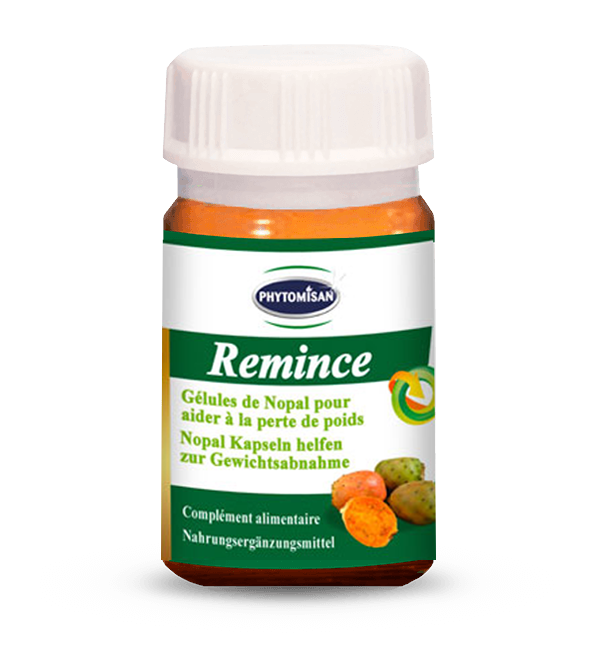
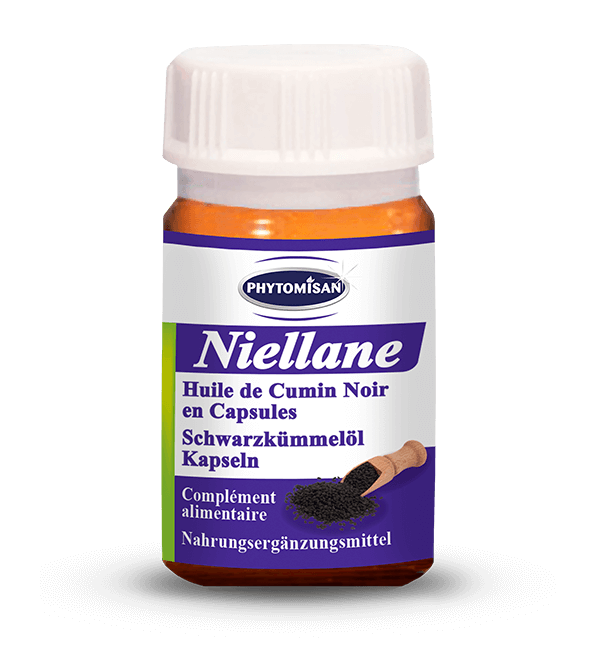
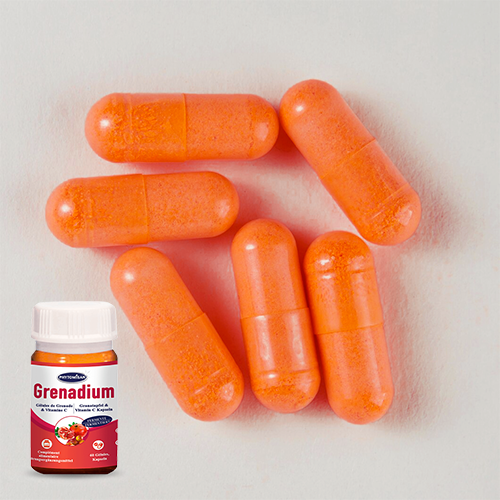
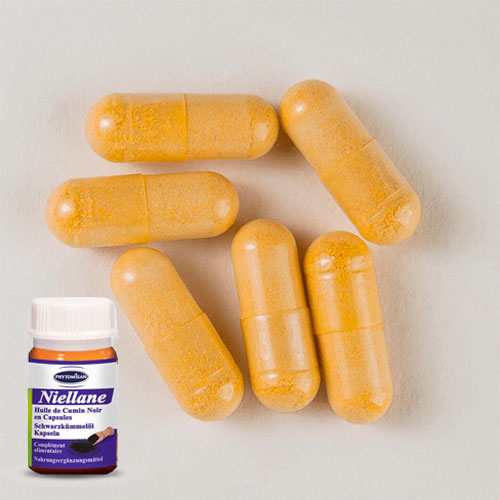
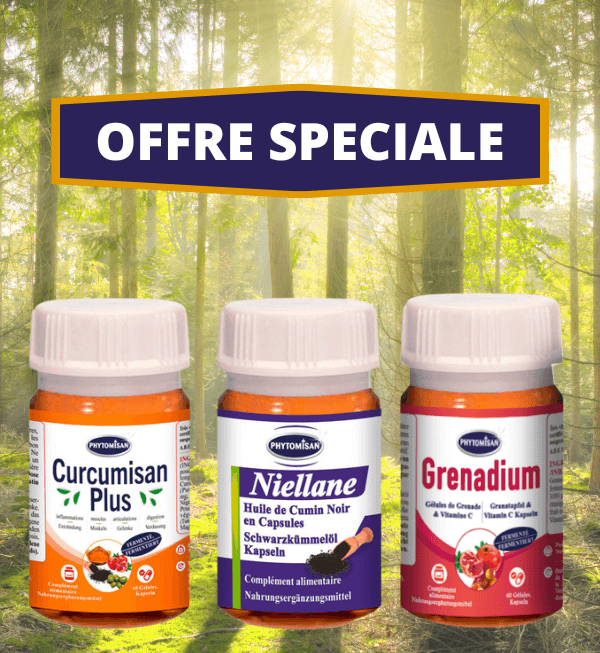
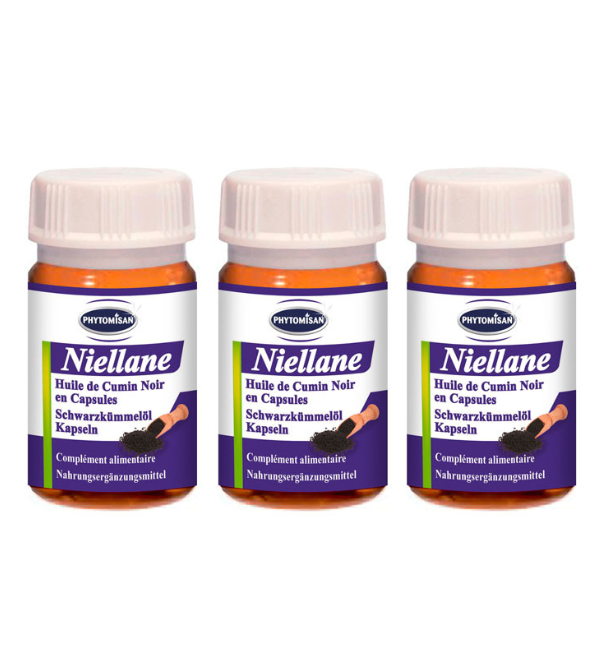
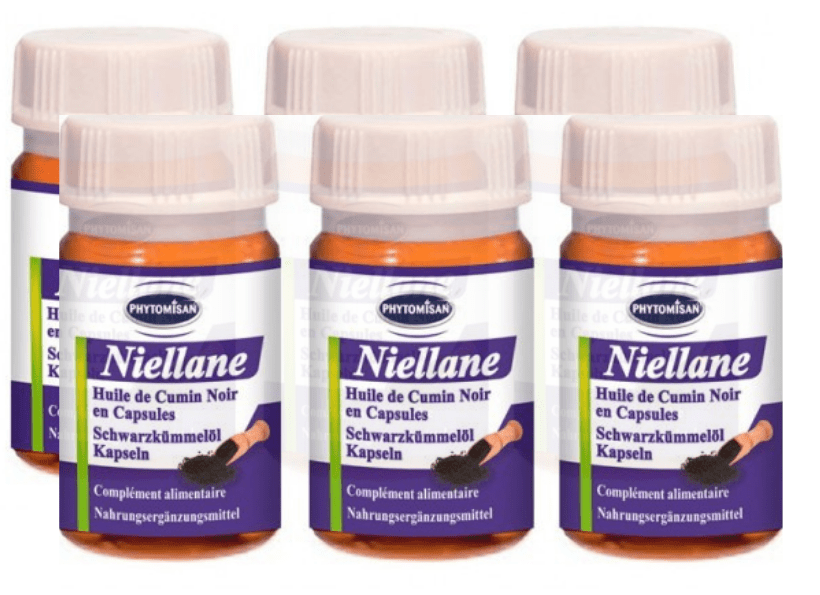
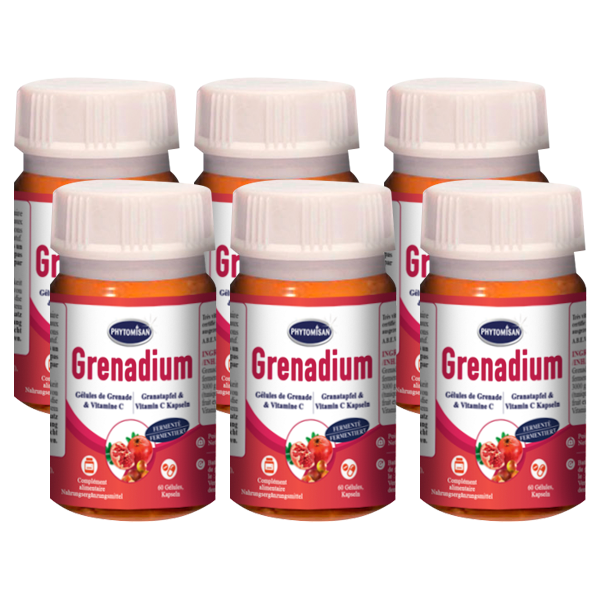
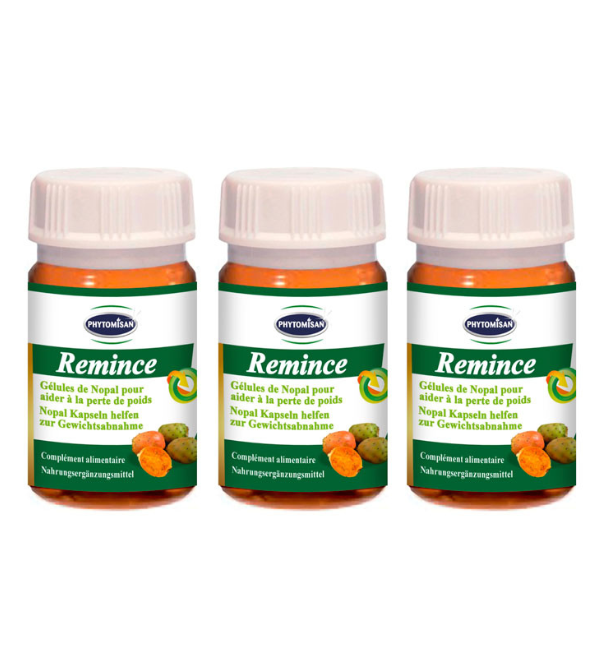
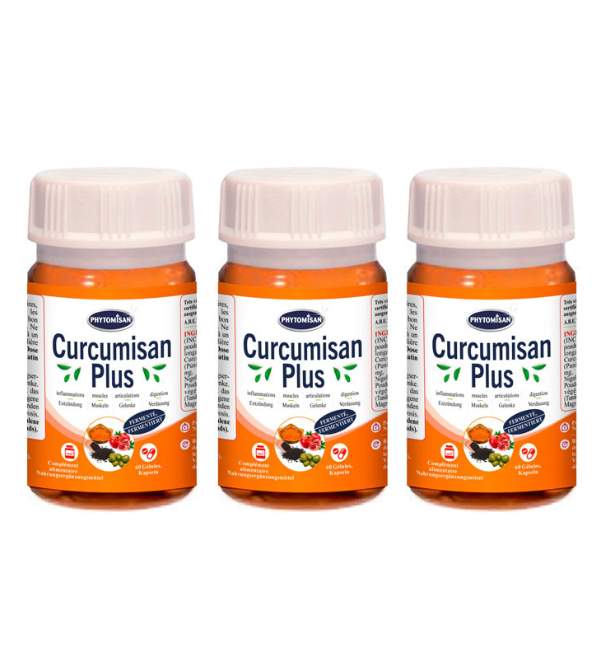
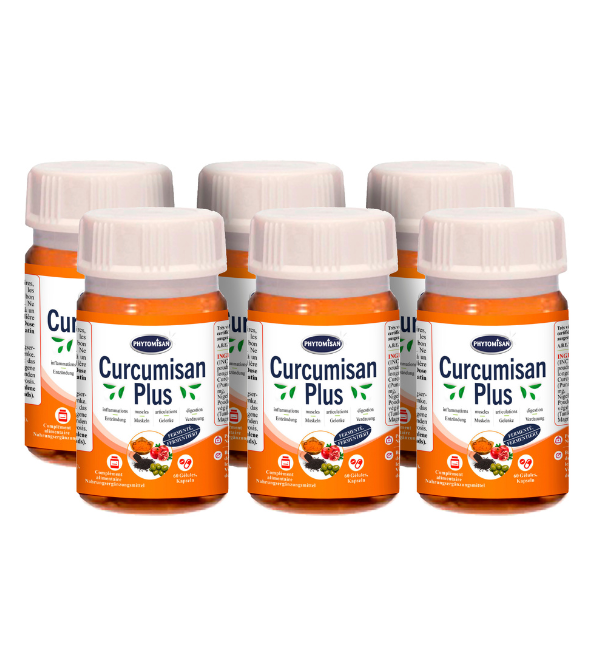
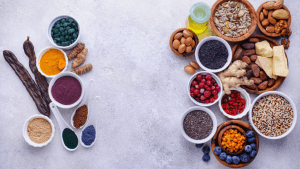
Our unique formulations exploit the fermented turmeric Black seed oil, prickly pear and grenade to provide targeted responses: strengthening the immune system, reduce bloating, relieve the painful joints, stimulate the hair health.
Manufactured according to strict pharmaceutical standards, our products are validated by health professionals and acclaimed by our customers. We also offer free samples in order to ensure transparency and trust.
Choosing Phytomisan means betting on a committed French laboratory which combines scientific rigor, botanical authenticity and measurable effectiveness.
Clients' reviews
Natural Health Blog
Find articles, tips and tricks to stay in shape naturally.
Our partners :
FAQ
What is the most effective dietary supplement?
The most effective dietary supplement is the one that precisely matches your physiological, metabolic and nutritional needs.
Scientific data shows that no product is universal, but some active ingredients are better documented. magnesium promotes muscle recovery and reduces fatigue. fermented turmeric improves the bioavailability of curcumin and supports joints.Black seed oil strengthens immunity and regulates inflammatory responses. omega-3 contribute to cardiovascular and brain health.
Each body responds differently depending on age, stress, diet, and lifestyle. A personalized approach, guided by a healthcare professional, remains the most effective.
In practice, identify your priorities (energy, digestion, immunity, slimming) and choose a clinically validated supplement for this specific need.
What is the most effective dietary supplement?
The most effective dietary supplement is one that specifically addresses your physiological, nutritional and metabolic needs.
Effectiveness varies depending on the objective: the magnesium improves recovery and reduces fatigue, while the vitamin D supports immunity and bones. probiotics promote digestive balance, while the fermented turmeric optimizes joint protection thanks to enhanced bioavailability. For hair, the biotin and zinc remain references.
Clinical studies confirm that the relevance depends on age, diet, and general health. Thus, a stressed student will not have the same needs as a menopausal woman or an athlete.
In practice, start by defining your priority (immunity, energy, digestion, beauty) and choose a scientifically validated formula for this problem.
Is it good to take food supplements?
Yes, dietary supplements are beneficial when they fill real deficiencies or meet a specific need validated by science.
They provide vitamins, minerals, fatty acids, or medicinal plants that strengthen natural defenses, balance metabolism, and support overall well-being. In Europe, they are regulated and subject to strict safety standards. However, their effectiveness depends on the quality of the ingredients and the dosage.
A balanced diet remains the basis, but in the face of stress, pollution and nutritional depletion of soils, targeted supplementation often becomes relevant.
The main thing is to avoid self-medication and to favor products from reliable, transparent and recognized laboratories.
What are the risks of dietary supplements?
Dietary supplements pose few risks if used correctly, but excess or incorrect combinations can cause adverse effects.
Overconsumption of fer or vitamin A can lead to liver problems, while excess magnesium can cause digestive disorders. Some plants, such as St. John's wort, interact with medications (antidepressants, contraceptives). Product quality also plays a role: poorly controlled supplements may contain contaminants.
Studies show that self-supplementation without medical supervision increases the risk of overdose or interaction.
To reduce your risks, always choose certified supplements, follow the recommended doses and seek advice from a healthcare professional.
What dietary supplement should I take every day?
The dietary supplements to take daily depend on your needs: magnesium, vitamin D and omega-3 are among the most recommended.
Le magnesium helps regulate stress and promotes nervous balance. vitamin D supports bones and the immune system, especially in winter. omega-3 improve cardiovascular and brain health. probiotics can also be taken regularly to maintain a balanced gut microbiota.
Supplements like the vitamin C or zinc can be integrated into prevention, but diet remains the basis.
Identify your priorities with a professional and choose long-term treatments, adapted to your real daily needs.
Is it possible to take food supplements every day?
Yes, it is possible to take food supplements every day, provided that the dose and duration are adapted to individual needs.
Studies show that certain molecules, such as water-soluble vitamins (C, B), are well tolerated daily because the excess is eliminated by the body. On the other hand, fat-soluble vitamins (A, D, E, K) accumulate and require follow-up.
Regularity is a factor in effectiveness, but alternating courses of treatment and breaks prevents tolerance and overdose.
For safe daily supplementation, follow official recommendations and have your choices validated by a healthcare professional.
Which supplements should not be taken on an empty stomach?
Some supplements, particularly minerals and fatty acids, should not be taken on an empty stomach to avoid irritation or poor assimilation.
Iron can cause stomach pain, magnesium can worsen digestive problems, and omega-3s can be poorly absorbed without fat. On the other hand, vitamin C and B vitamins are easily digested without food.
To optimize tolerance and effectiveness, studies recommend pairing fat-soluble nutrients with a meal containing healthy fats.
Remember: Take minerals and omega-3s with meals, but water-soluble vitamins can be taken on an empty stomach.
What is the best time of day to take dietary supplements?
The best time depends on the type of supplement: water-soluble vitamins in the morning, fat-soluble nutrients and minerals with meals.
Vitamin C boosts energy and is ideally taken in the morning. Magnesium, which relaxes, is recommended in the evening. Omega-3 and vitamin D should be taken with a fatty meal to promote absorption.
Studies show that respecting circadian rhythms improves the effectiveness of supplements. For example, some adaptogens like ashwagandha are better tolerated in the evening.
Adjust your intake according to your energy and digestive needs to maximize their benefits.
What dietary supplements should not be taken together?
Some supplements should not be taken together because they can interact and reduce their absorption or cause imbalances.
Calcium reduces iron absorption, while zinc and copper compete with each other. Magnesium combined too strongly with calcium reduces their mutual effectiveness. Certain plants, such as ginseng and caffeine, amplify the stimulating effect.
Studies show that poorly dosed combinations create nutritional antagonisms. It is therefore best to spread the doses throughout the day.
To optimize effectiveness, combine the right pairs (vitamin D + calcium, iron + vitamin C) and separate competing nutrients.
Is it bad to take supplements first thing in the morning?
No, taking supplements in the morning is not bad, but you have to adapt the type of supplement to your morning physiology.
B vitamins and vitamin C promote energy and focus upon waking. Omega-3s and vitamin D, taken with breakfast, improve absorption. On the other hand, iron on an empty stomach can irritate the stomach, while magnesium is more beneficial in the evening.
Research shows that chrononutrition influences efficacy and tolerance. Adapting the schedule helps maximize physiological benefits.
Key takeaway: Focus on energizing vitamins in the morning, relaxing minerals in the evening, and fat-soluble nutrients with meals.

Order 24/24

97% satisfied customers

Free delivery from 99€ purchase

Secure payment